
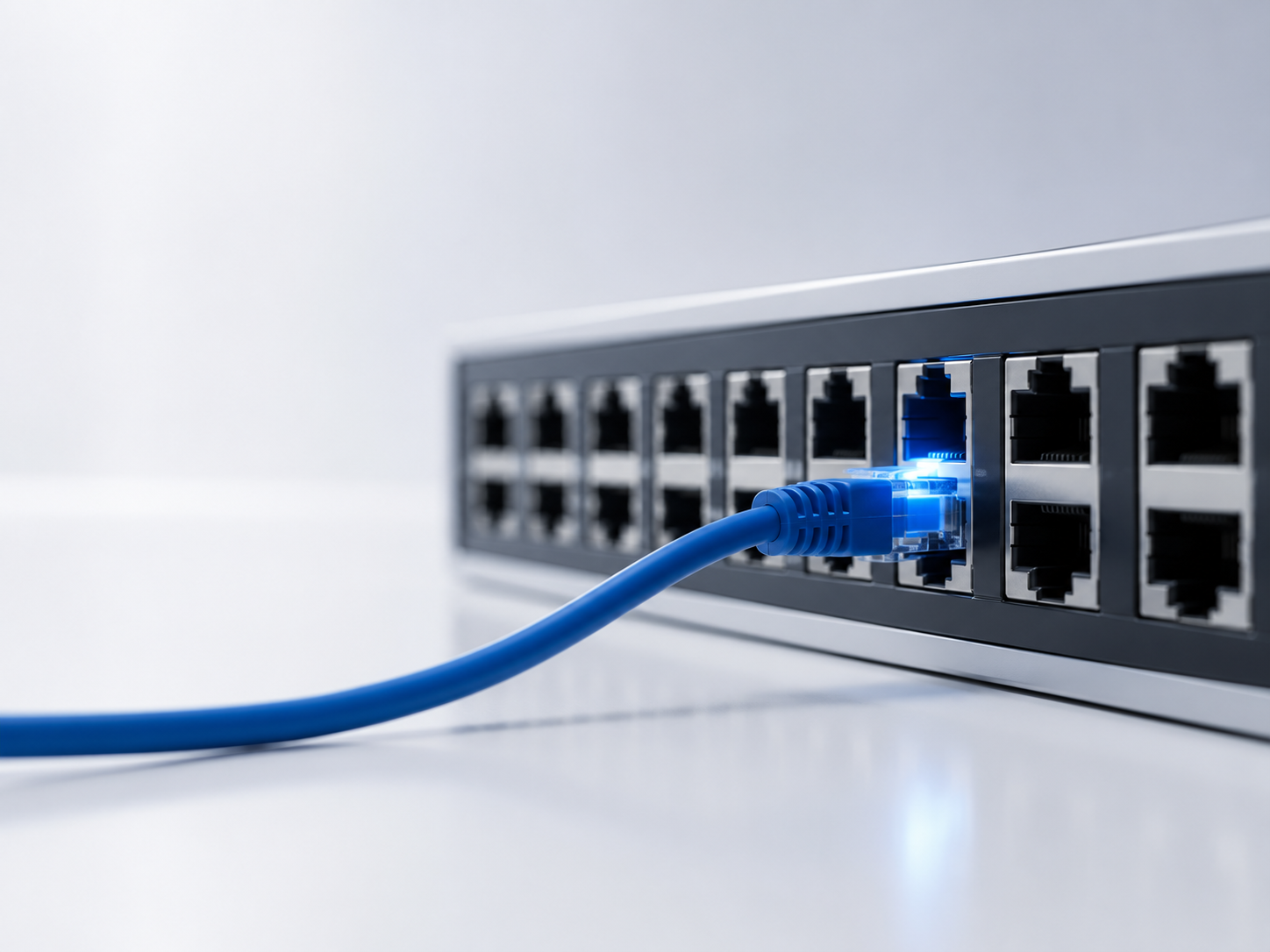
A cluster that runs a nation.
The X100 turns three appliances into one operating environment — active-active, geographically flexible, and multi-tenant by design. Enterprise guarantees, without an enterprise integrator.
National carriers, wholesale operators and multi-tenant deployments.
At national scale, the operating environment stops being one appliance and starts being a promise. Three or more X100 nodes act as one — sharing state, splitting load, tolerating a whole node going dark without a single subscriber noticing.
Multi-tenancy is not an add-on: NOS Enterprise carves the environment into hard-isolated tenants for subsidiaries, wholesale customers and MVNO partners, each with their own dashboards and their own billing.
You get a Technical Account Manager, a written 99.999% SLA on the control plane, quarterly business reviews, and a roadmap you can influence. What you don’t get is another vendor to babysit.
National carriers operate at a scale where the failure modes of the DIY stack are not survivable. Alarm floods during regional incidents overwhelm any NMS that was not designed for correlation. Billing systems drift from network state and subscribers complain about invoices that reference services they no longer have. And the AAA layer — RADIUS at 300K sessions — is a specialist operational problem, not a checkbox.
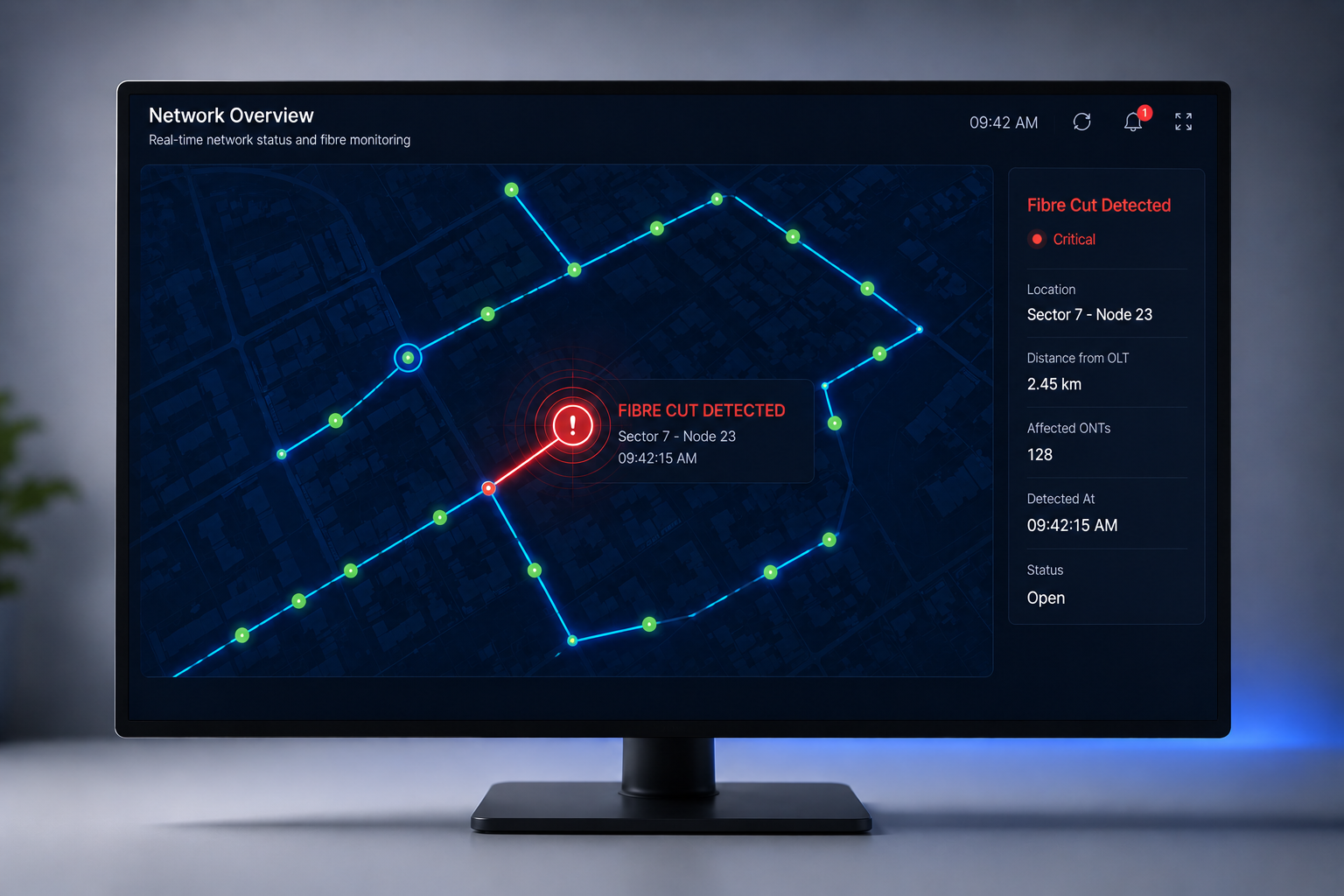
Netxol Core X100 clusters (three-node minimum, active-active) address this scale. Clustering removes the single-node ceiling; per-node inference budgets keep the AI Engine responsive under heavy load; and the shared graph model means the alarm on an OLT card correctly names the affected 12,000 subscribers, whose care agents are already looking at the right screen when the calls come in.
For AAA specifically, see our RADIUS at 100K sessions study at /blog/radius-at-100k-sessions for the operational story. Netxol RADIUS scales natively into the six-figure concurrent-sessions range, with the accounting store integrated into the platform graph — no cross-product joins to keep alive.
National carriers also carry multi-tenant obligations: MVNOs, wholesale customers, subsidiaries. Netxol multi-tenant licensing separates these into isolated brands sharing the same Core cluster — separate identity, separate data plane, separate care team, unified operational management.
Four moves.
Stand up an X100 cluster
Three nodes, one operating environment, N+2 tolerance from day one.
Distribute across regions
Deploy nodes in separate data-centres — NOS handles quorum and replication.
Enable multi-tenancy
Wholesale and MVNO tenants, each isolated, each billed cleanly.
Sign the SLA
99.999% control plane, TAM ownership, quarterly business reviews.
Cluster active-active
Three-node Core X100 minimum, six-figure concurrent RADIUS sessions, alarm correlation at scale.
Multi-tenant MVNO + wholesale
Isolated brands, shared cluster, unified operational view.
Everything you get with this playbook.
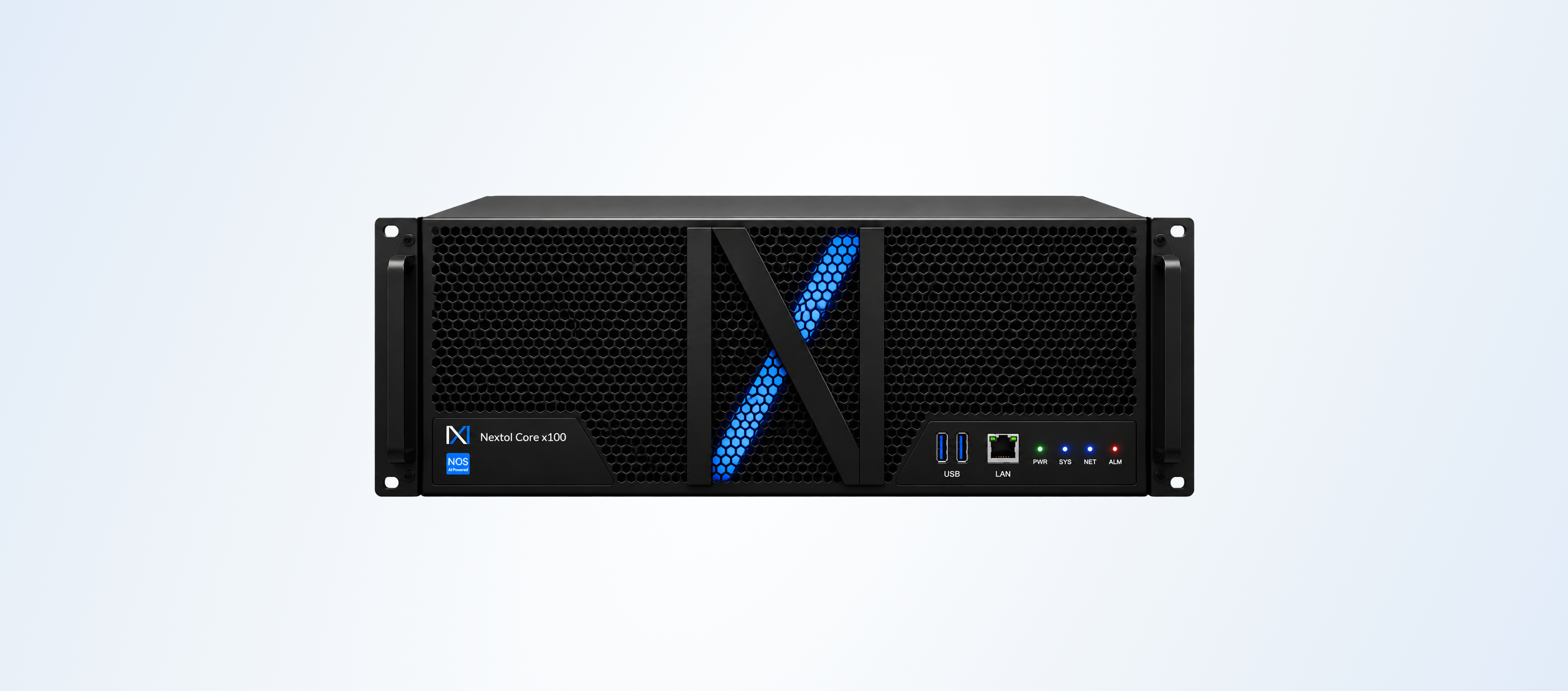
We usually pair this playbook with Netxol Core X100.
The X100 is a cluster, not a box. Three or more nodes act as one operating environment — sharing state, splitting load, tolerating a whole node going dark. It’s the answer for national carriers who need enterprise-grade guarantees and headroom for the next decade.
Operators already running this play.
Questions we get on the first call.
How long does it take to go live?
Small deployments complete in under a week from unboxing the Core to first paying subscriber; larger rollouts scoped in weeks not months.
Do we need to change our existing hardware?
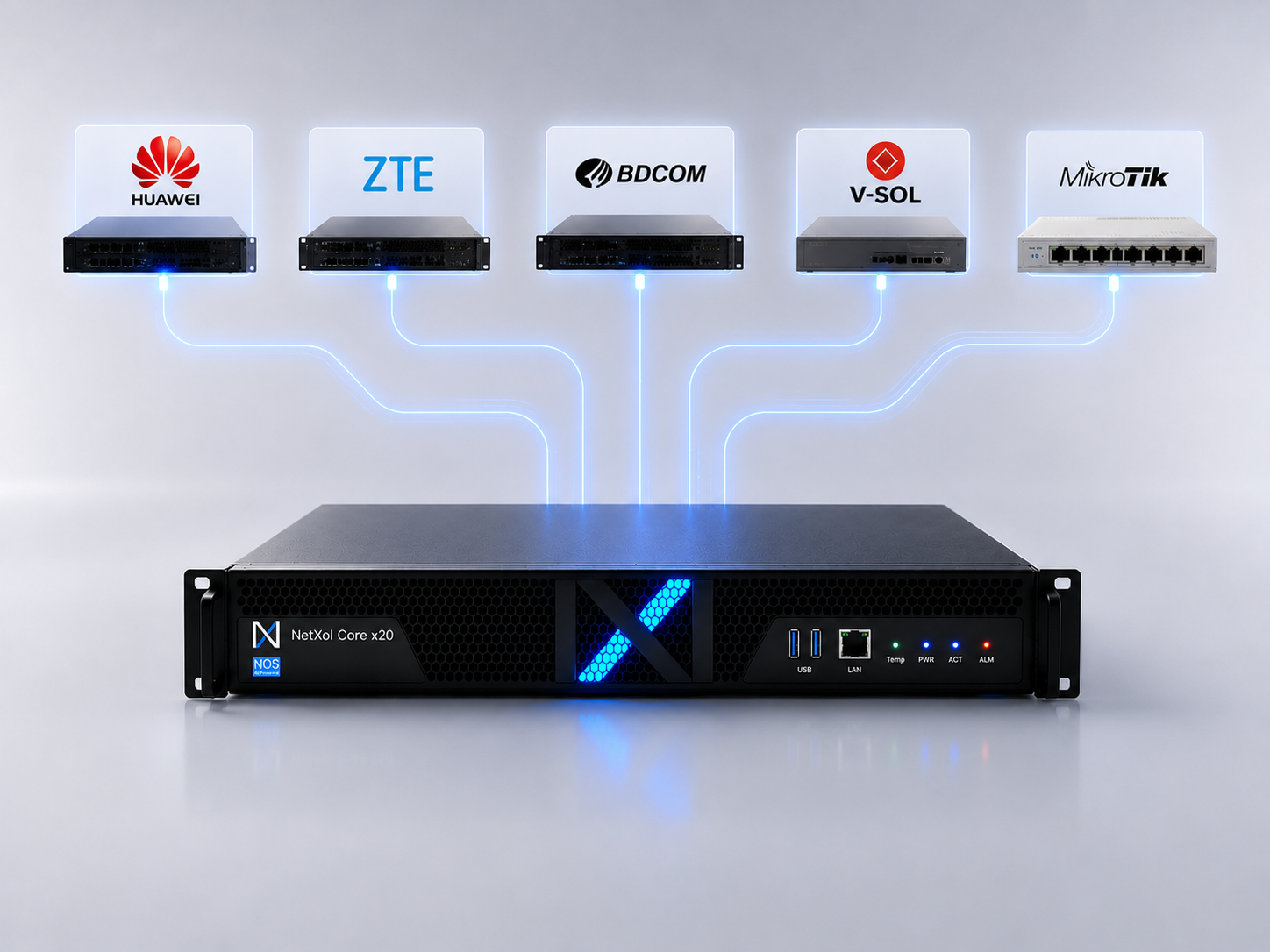
No. NOS ships adapters for every mainstream OLT and router. You keep the gear you own; we replace the tooling above it.
What happens to our data?
Everything stays on your Core appliance by default. Backups go to your object store of choice. No subscriber data leaves your rack unless you turn on an opt-in telemetry channel.
Can we migrate from another platform?
Yes — we run a scoped migration project with matching data mappings and cut-over windows. Standard editions include the first migration.
Other stories in this shape.
Most of what a NOC does at 3 a.m. is small, boring and repeatable. NOS is built to notice those patterns, act on them safely, and keep humans in the loop for anything that isn’t routine.
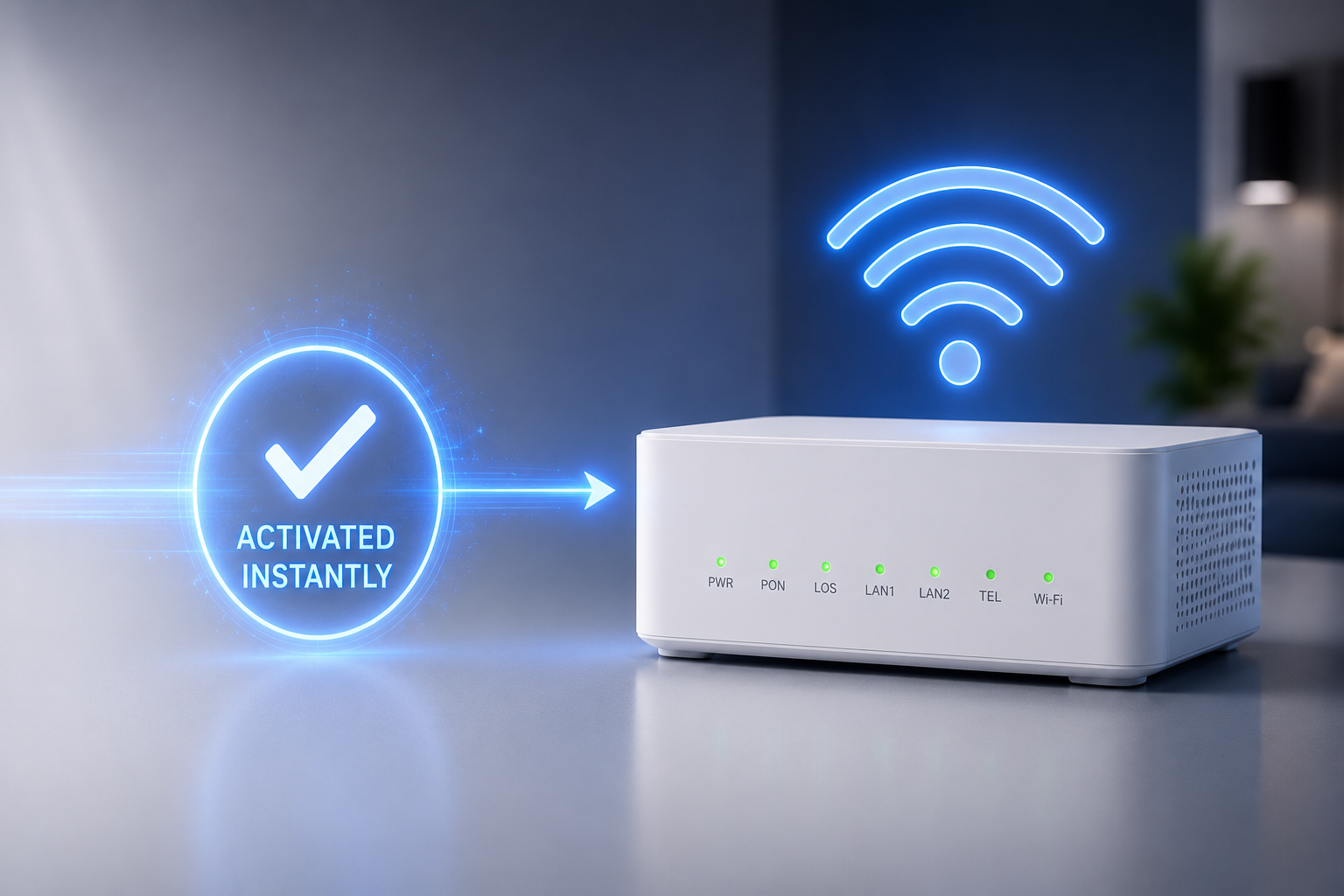
ReadOutcomeShip an ONT to a subscriber. When they plug it in, NOS provisions it, binds it to their record, and lights up their plan — without a technician touching a config file.
Read